

Portfolio for Fashion Design Styling
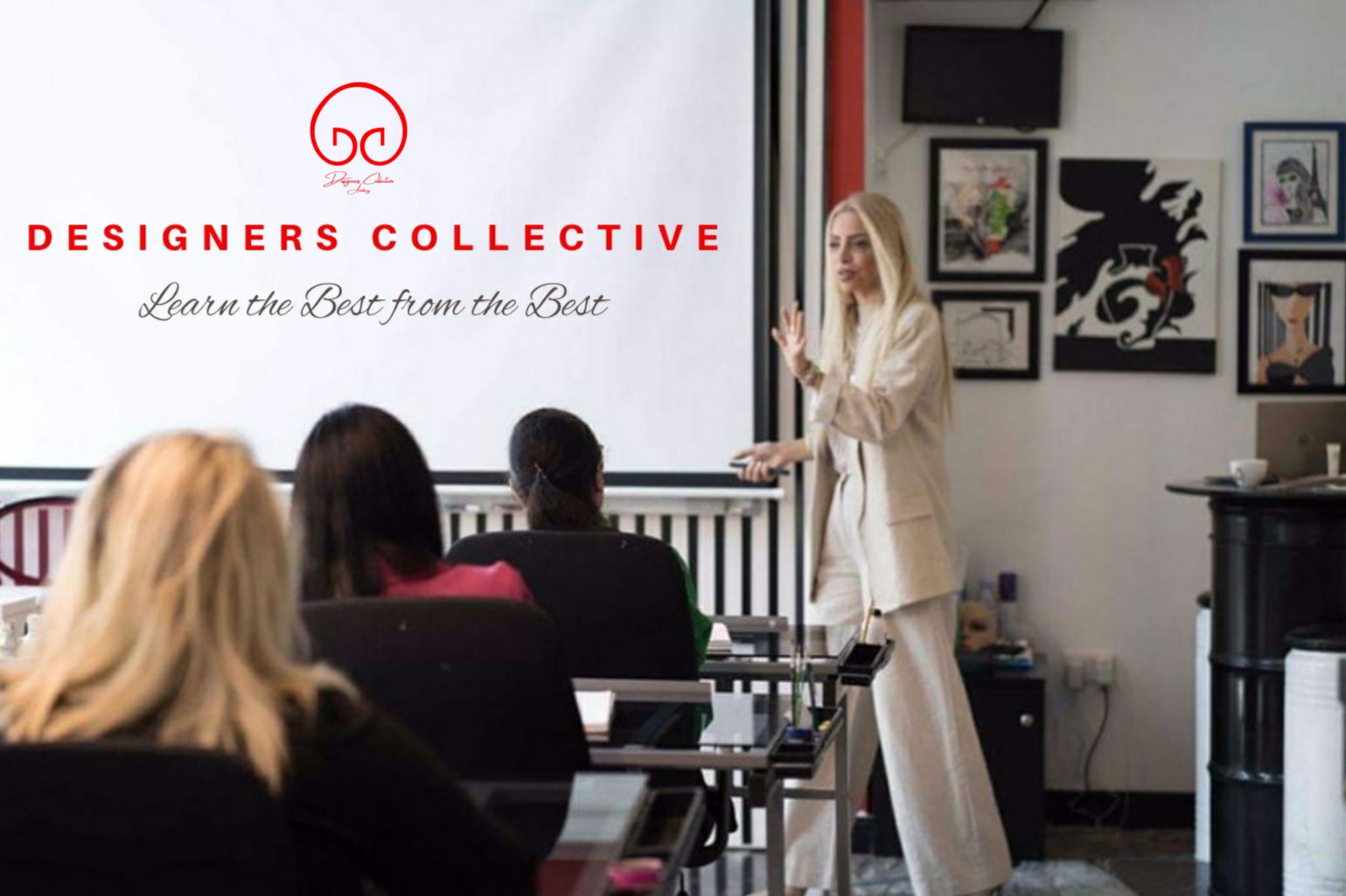
Description
Our fashion design dream starts here. Take this class and be ready to build your career in the glitz and glamor of the apparel industry. This course is your comprehensive guide to design and illustration styles that will prepare you to become a creative fashion designer. Structured to challenge and inspire students, lessons combine both theoretical and practical approaches to fashion design. You will get to keep your own “design journal” to compile your original sketches and illustrations as you progress through the lessons.
- Course Outline:
- Module 1: Introduction to Fashion Styling
- Overview of the fashion styling industry
- The role and responsibilities of a stylist
- Understanding different types of styling (personal, editorial, commercial)
- Module 2: Fashion History & Trend Analysis
- Exploring historical fashion influences
- Understanding seasonal trends and forecasting
- Researching and analyzing global fashion trends
- Module 3: Body Shapes & Wardrobe Styling
- Identifying different body types and how to dress them
- Wardrobe essentials and building a versatile closet
- Styling for different occasions and lifestyles
- Module 4: Color Theory & Fabric Selection
- Understanding color psychology in fashion
- Mixing and matching colors effectively
- Choosing appropriate fabrics for various looks
- Module 5: Personal Styling & Makeover Techniques
- Defining personal style for clients
- Styling tips for everyday, business, and special events
- Makeover techniques and wardrobe revamps
- Module 6: Editorial & Commercial Styling
- Creating mood boards and styling concepts
- Styling for fashion magazines, advertisements, and campaigns
- Understanding high fashion vs. commercial styling
-
-
- Introduction to basic skills, tools, techniques, and essential practical knowledge.
-
-
-
- Building on foundational skills through guided practice, skill development, and practical projects.
-
-
-
- Exploring more complex techniques, developing individual projects, and improving technical abilities, creative development, and portfolio building.
-


We have always ongoing session and you can join any batch. Just contact us: 055 578 2280.
Check the Contact Us page it has all our details. We are located in JLT.